Jacobs Transaxillary Dissector – Curved Shaft Breast Dissector for Axillary Approach
$31.5
$60.8
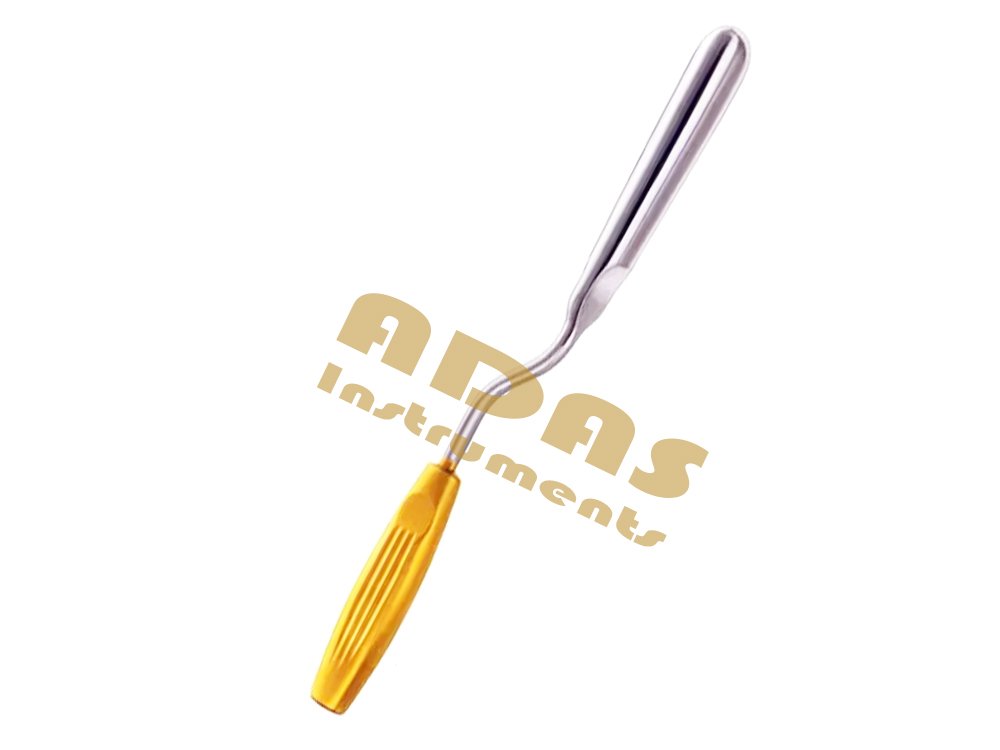
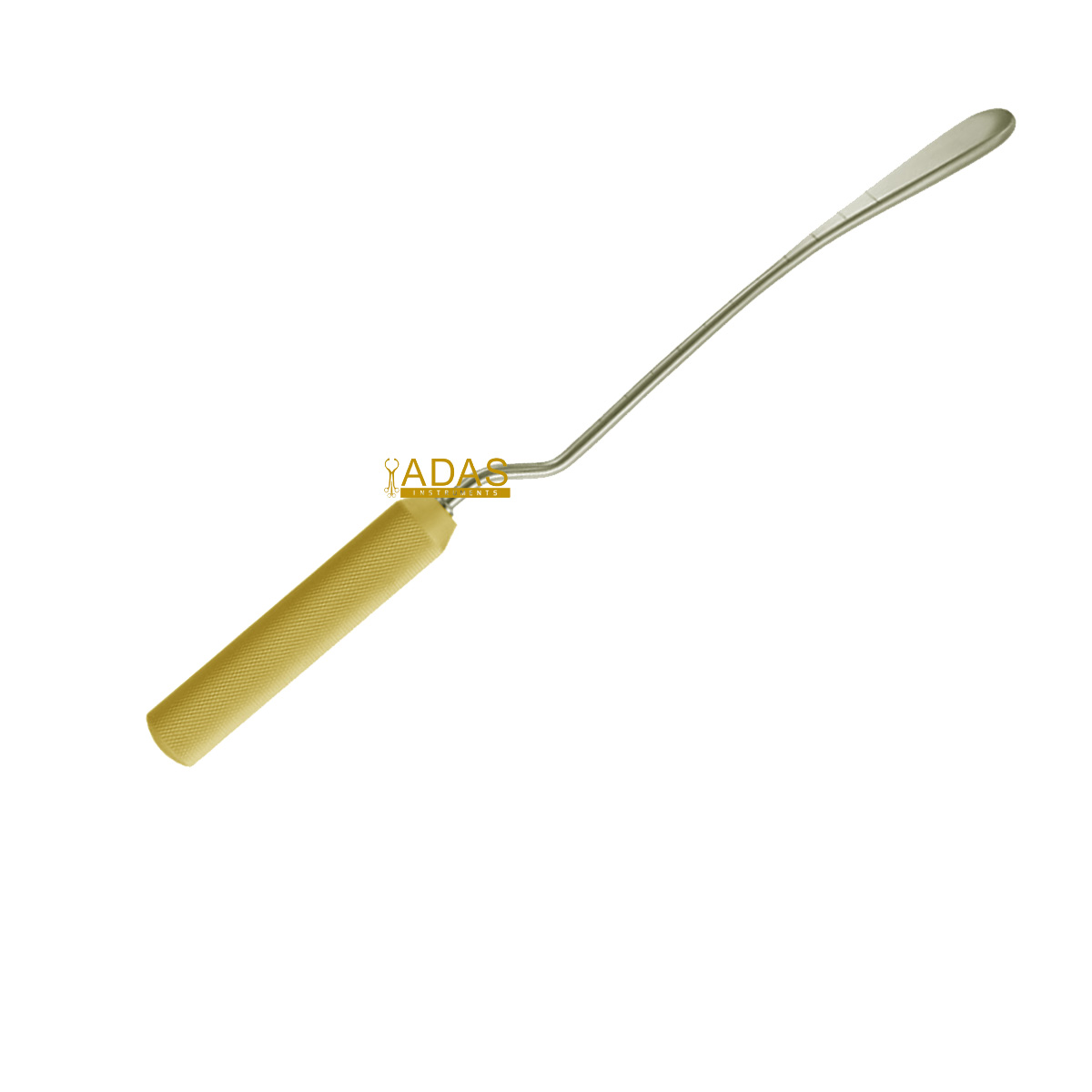
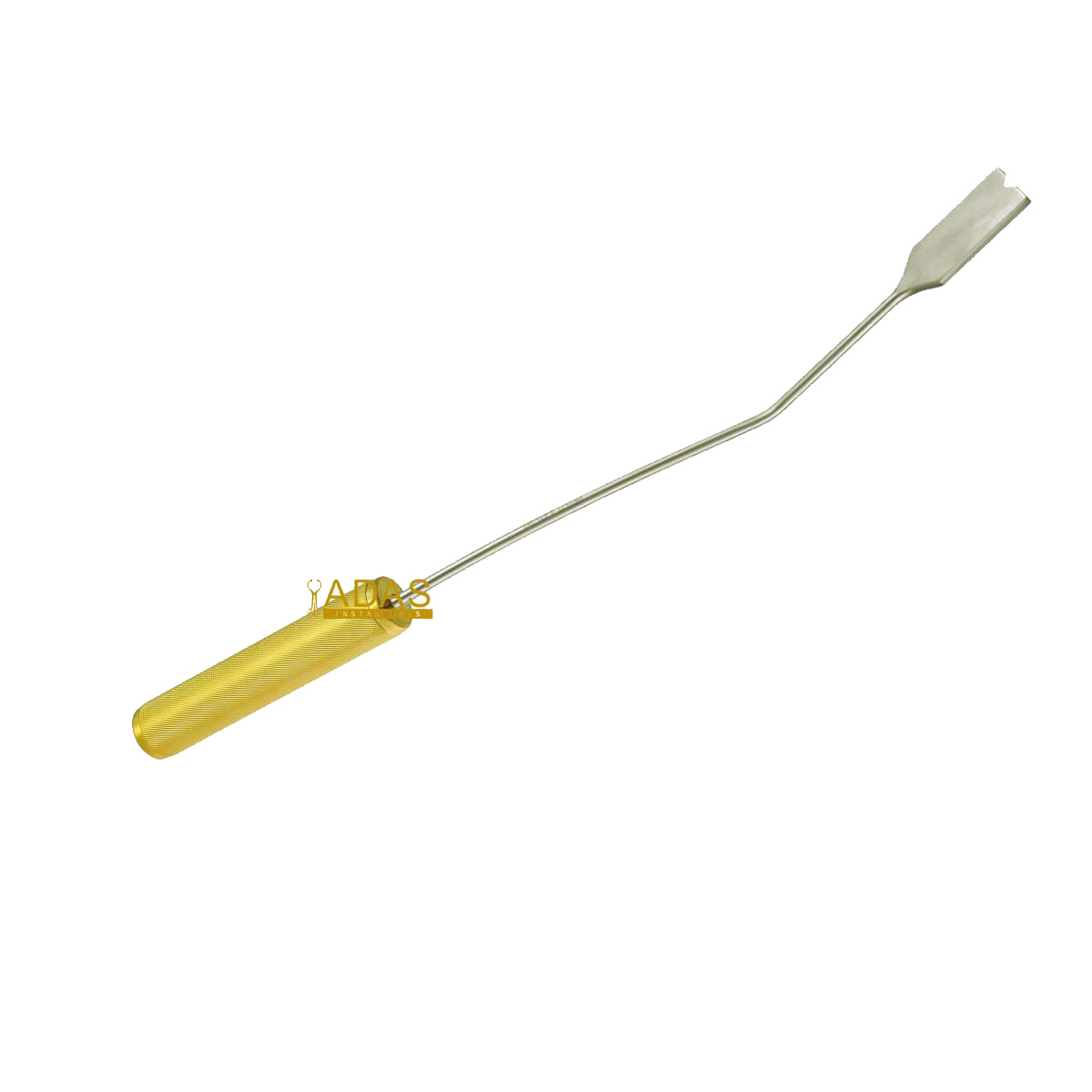
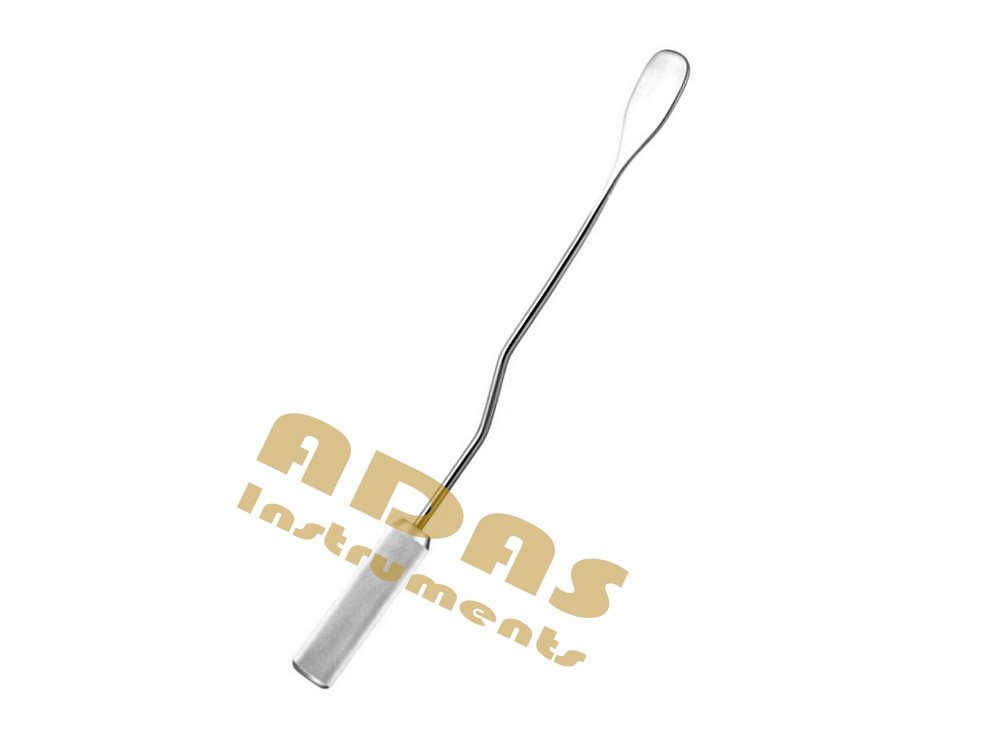
Jacobs Transaxillary Dissector – Curved Shaft Breast DissectorThe Jacobs Transaxillary Dissector – Curved Shaft from Adas Instruments is a dedicated instrument for blunt tissue dissection during breast augmentation and other reconstructive breast procedures performed through a transaxillary approach. Its curved, elongated shaft is designed to reach from a small incision in the axilla to the breast pocket, allowing surgeons to position implants while minimizing visible scarring on the breast itself.This breast dissector features a chisel-style working end that gently separates tissue planes and helps define a uniform implant pocket. The curvature of the shaft follows the natural contour from axilla to breast, improving access and visualization while reducing the need for excessive force. An ergonomic handle offers a secure grip and precise control, supporting safe manipulation of soft tissues around critical neurovascular structures.Design and featuresThe Jacobs Transaxillary Dissector has a long, curved shaft that helps surgeons work at depth through a limited axillary incision. A broad, blunt or chisel-edged tip (model dependent) distributes pressure over a wider area, promoting controlled blunt dissection and reducing the risk of perforation of the skin flap or chest wall. The instrument is typically available in lengths around 33–43 cm, providing the reach required for subglandular or submuscular breast pocket creation from the axilla. A solid, well-balanced handle improves tactile feedback so the surgeon can feel tissue resistance during dissection.Clinical applications of breast augmentation transaxillary dissectorCreation of dissection tunnels for breast implants in transaxillary breast augmentation.Pocket development in breast reconstruction procedures using an axillary approach.Elevation of soft tissue flaps in aesthetic and reconstructive breast surgery.Controlled blunt dissection near the axilla where protection of nerves and vessels is critical.Technical detailsSpecificationDetailInstrument nametransaxillary breast dissectorPrimary useBlunt tissue dissection and tunnel creation for transaxillary breast augmentation and reconstructionShaft designLong curved shaft for access from axillary incision to breast pocketWorking endBlunt / chisel-style dissector tip for controlled separation of tissue planesTypical lengthApprox. 33–43 cm overall length (model dependent)Width at tipAround 13 mm working width (model dependent)MaterialSurgical-grade stainless steelFinishSatin / matte finish to reduce glare under operating lightsReusabilityReusable, autoclavable instrumentSpecialtyPlastic and reconstructive breast surgery, thoracic and axillary surgeryRelated instruments and categoriesBrowse more plastic and breast surgery tools in our Plastic Surgery Instruments and Breast Surgery Instruments categories, including breast dissectors, elevators, and retractors.You may also like the McCollum Dingman Breast Dissector and the Lockwood Underminer Dissector for complementary flap elevation and pocket creation techniques.People also askQ: What is the Jacobs Transaxillary Dissector used for? A: It is primarily used to create and refine the dissection tunnel for breast implants or reconstructive pockets through an axillary incision, helping to keep scars off the breast.Q: Why does the dissector have a curved shaft? A: The curved shaft follows the anatomical path from the axilla to the breast, improving access and control while reducing stress on the incision and surrounding tissues.Q: Is the Jacobs Transaxillary Dissector suitable for blunt dissection? A: Yes, its blunt or chisel-style tip and long shaft are designed for controlled blunt tissue separation, minimizing the risk of perforation during pocket creation.Q: In which procedures is this dissector commonly used? A: It is commonly used in transaxillary breast augmentation, breast reconstruction and other plastic or thoracic procedures requiring access through the axilla.Q: What sizes of Jacobs Transaxillary Dissector are available? A: Many suppliers offer lengths around 33 cm and 42–43 cm with a working tip width of about 13 mm, allowing surgeons to choose the reach that best fits their technique.